

When someone experiences concerning symptoms such as pressure, discomfort, shortness of breath, or sudden fatigue, fast cardiac testing can help determine what is happening and what treatment is needed.
Quick testing matters because certain heart-related conditions can progress rapidly, and early diagnosis can improve outcomes, reduce complications, and support peace of mind.
At Victoria ER, we provide concierge-level emergency care 24/7, with rapid on-site EKG and cardiac lab testing, allowing our board-certified ER physicians to quickly evaluate heart function and make informed decisions without lengthy delays.
Patients are typically seen within five minutes and treated in private, comfortable exam rooms, helping them get answers without the stress of waiting in a crowded hospital setting.
The power of on-site EKG testing at Victoria ER
Access to on-site heart monitoring and testing helps avoid delays that can occur when tests must be performed at outside facilities or interpreted off-site.
What is an EKG?
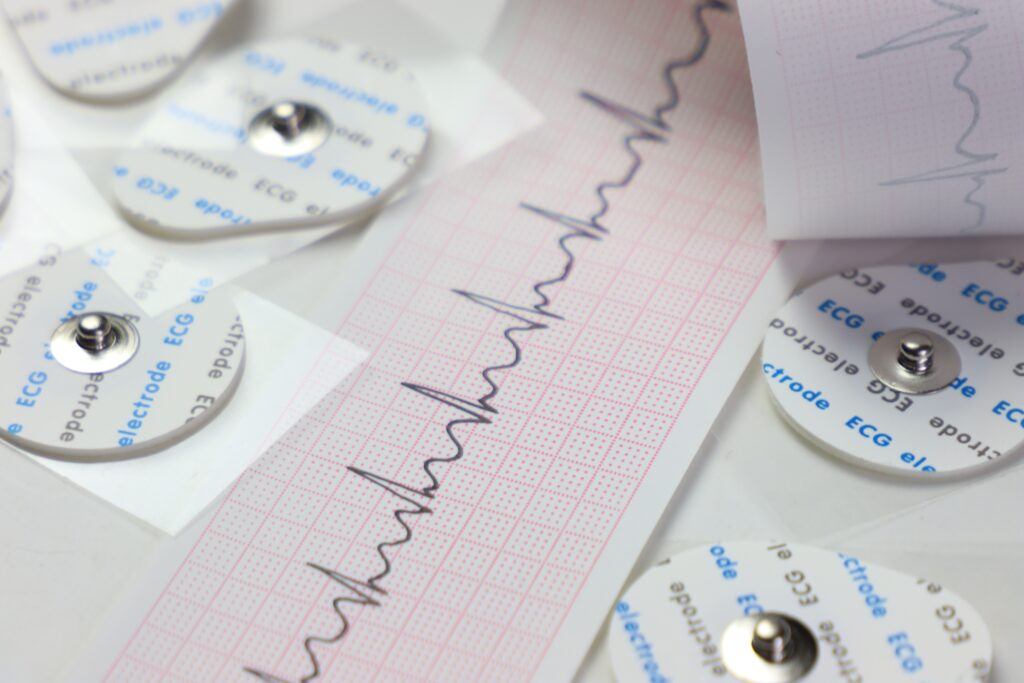
An EKG (electrocardiogram) is a simple, non-invasive test that measures the heart’s electrical activity. It records how quickly electrical signals travel and whether the heart is functioning as expected.
Benefits of rapid EKG testing in emergency care
Rapid EKG testing helps:
- Identify heart abnormalities quickly
- Guide early treatment decisions
- Detect irregular rhythms or conduction issues
- Reduce unnecessary hospitalization
Because results are available within minutes, physicians can make informed decisions without waiting for external processing.
Why rapid cardiac testing matters in emergencies
Rapid cardiac testing can play a critical role in identifying a potential heart issue early and guiding immediate treatment decisions.
How delays affect diagnosis and outcomes
Waiting hours for an EKG or cardiac lab results can lead to:
- Worsening symptoms while waiting for answers
- Delayed administration of needed medications
- Increased risk of complications
- Longer stays or hospital admissions
- Higher levels of stress and uncertainty
In emergency settings, the difference between testing now and testing later can be significant.
What can rapid EKG and lab testing detect early?
Fast cardiac testing can help detect:
- Irregular heart rhythms
- Reduced blood flow to the heart
- Evidence of heart muscle injury
- Electrolyte abnormalities
- Conditions affecting circulation
These early findings help determine whether symptoms are mild, serious, or require immediate intervention.
From arrival to testing: the ER cardiac evaluation process
At Victoria ER, the cardiac evaluation process is designed to move quickly from assessment to testing so treatment decisions can follow without long delays.
Immediate intake and assessment
Upon arrival, patients are typically seen within five minutes and assessed by a registered nurse and board-certified ER physician.
Based on symptoms, risk factors, and physical presentation, the physician may order an EKG, cardiac labs, or additional testing.
What to expect during an ER cardiac evaluation
A typical cardiac evaluation at Victoria ER includes:
- A medical history review
- Assessment of symptoms
- EKG testing
- Cardiac enzyme and troponin lab testing
- Monitoring of vital signs
- Imaging if indicated
This allows our board-certified ER physicians to understand what the heart is doing in real time and whether urgent treatment is necessary.
How fast EKG results guide early decisions
EKG results are available within minutes, allowing physicians to:
- Detect abnormalities quickly
- Determine urgency
- Decide whether medications or further testing are needed
- Identify issues requiring close monitoring
Fast EKG results help begin treatment sooner and reduce the risk of deterioration while waiting.
Cardiac lab tests that speed critical decisions
Cardiac labs complement EKG results by identifying biochemical markers related to heart injury or inflammation.
Troponin testing
According to the Cleveland Clinic, troponin normally stays inside heart muscle cells, and measurable levels in the bloodstream are a strong indicator of heart muscle damage.
Elevated levels may indicate:
- Reduced blood flow
- Heart muscle strain
- A possible heart attack
Fast troponin testing supports early identification of heart injury, allowing treatment to begin sooner.
Cardiac enzyme testing
Cardiac enzyme tests can help identify:
- Muscle injury or inflammation
- Dehydration
- Electrolyte imbalances
- Severe infection
These results help physicians determine whether symptoms are cardiac-related or due to another underlying medical condition.
Conditions that require rapid cardiac evaluation
Many heart-related conditions can worsen quickly if not addressed early. Rapid testing helps identify problems while symptoms are still developing.
Fast evaluation helps our team rule out or identify:
- Irregular heart rhythms
- Reduced blood flow to the heart
- Drug-related heart effects
- Metabolic or electrolyte disturbances
- Early signs of heart muscle injury
Why immediate testing matters for early detection
Early testing supports better outcomes because it allows treatment decisions to be made before complications develop. It also provides reassurance for patients whose symptoms may not be cardiac-related but still require urgent evaluation.
Visit Victoria ER for rapid cardiac diagnostics 24/7
Rapid cardiac testing can provide timely answers and reduce uncertainty during a stressful situation.
At Victoria ER, on-site EKG and cardiac lab testing are available 24/7, allowing our board-certified ER physicians to evaluate symptoms quickly and begin treatment without long hospital delays.
Our team provides fast results, private exam rooms, and personalized emergency care for both adults and children. Victoria ER is open day and night, including weekends and holidays. Walk in anytime or contact our team directly for immediate emergency care.
FAQs about EKG and cardiac lab testing
Here are answers to common questions about how rapid EKG and cardiac lab testing work at Victoria ER.
How fast will I get my EKG results at Victoria ER?
Most patients receive EKG results within minutes, allowing our board-certified ER physicians to review findings and make decisions quickly.
What does a troponin test measure in simple terms?
A troponin test measures whether there is injury to the heart muscle. High levels may indicate reduced blood flow or potential heart damage that needs evaluation.
Can a rapid EKG detect all heart-related issues?
An EKG can detect many abnormalities, including irregular rhythms and reduced blood flow, but additional testing may be needed to fully evaluate heart function.
What do abnormal cardiac enzyme results usually indicate?
Abnormal results may indicate inflammation, muscle injury, metabolic issues, or heart-related problems that require treatment or further evaluation.
Why does rapid cardiac testing matter even if symptoms feel mild?
Some heart-related problems begin with mild symptoms, and early testing can help identify issues before they progress or become more serious.