

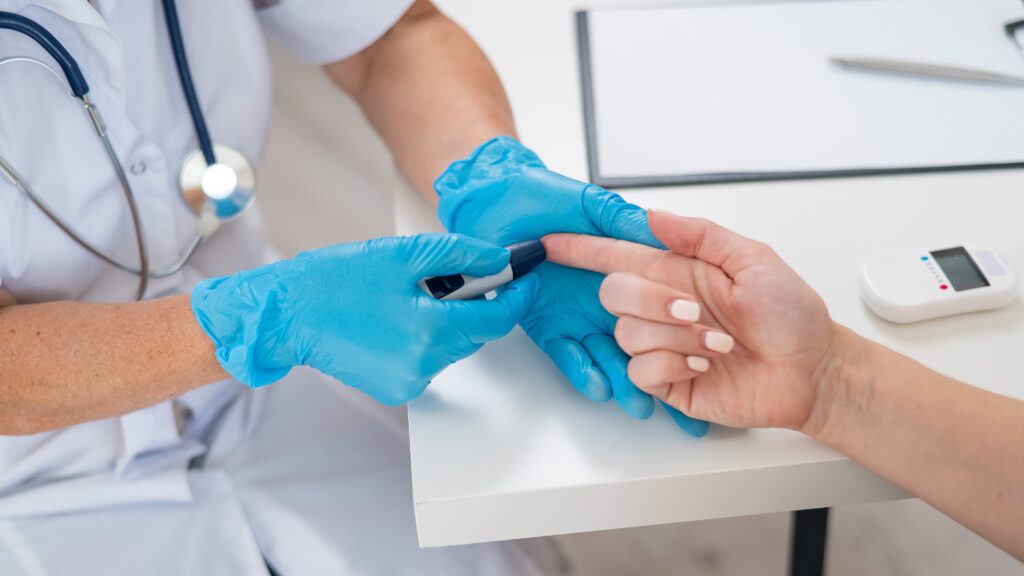
Living with diabetes requires constant awareness and careful management. However, even with the best routine, emergencies can still occur—sometimes unexpectedly.
Understanding what to watch for and how to respond could save your life or the life of someone you love.
At Victoria ER, our board-certified ER physicians provide 24/7 care for diabetic emergencies of every kind.
From low blood sugar episodes to diabetic ketoacidosis (DKA), we offer rapid testing, IV treatments, and continuous monitoring in a calm, private environment with no wait times.
What are diabetic emergencies?
A diabetic emergency occurs when blood sugar levels rise too high or drop too low, disrupting the body’s ability to function properly.
Without quick treatment, these fluctuations can lead to organ failure, coma, or even death.
Common emergencies include:
- Severe hypoglycemia (low blood sugar)
- Hyperglycemia (high blood sugar)
- Diabetic ketoacidosis (DKA)
- Hyperosmolar hyperglycemic state (HHS)
- Complications like severe infection, dehydration, or diabetic coma
Who is most at risk?
Anyone living with diabetes, Type 1 or Type 2, can experience a sudden emergency, but some people are at higher risk, including:
- Those who skip meals or medication
- Patients experiencing illness or infection
- People with uncontrolled blood sugar or recent medication changes
- Older adults or those with heart, kidney, or nerve complications
If you ever feel unsure about your symptoms, come directly to Victoria ER. Our emergency team is available 24/7 to diagnose and treat diabetic emergencies immediately.
The five most common diabetic emergencies
Diabetic emergencies can develop quickly and become life-threatening if not treated right away.
Knowing what to look for and when to visit Victoria ER can make all the difference.
Below are the five most common diabetic emergencies, their warning signs, and how our board-certified ER physicians provide the immediate care you need.
1. Severe hypoglycemia (low blood sugar)
Hypoglycemia occurs when blood sugar levels drop below normal, typically due to excessive insulin production, missed meals, or intense exercise.
Warning signs and symptoms include:
- Shakiness or trembling
- Sweating or chills
- Confusion or irritability
- Blurred vision
- Drowsiness or loss of consciousness
Immediate actions: what you can do now
If you’re awake, consume fast-acting sugar like juice, glucose tablets, or regular soda.
If symptoms do not improve within 15 minutes or worsen, go to Victoria ER immediately for IV glucose therapy and professional monitoring. Untreated hypoglycemia can lead to seizures or coma.
Prevention tips
To reduce your risk of experiencing hypoglycemia, eat regular meals, monitor your glucose levels closely, and always carry a source of fast-acting sugar.
2. Hyperglycemia (high blood sugar)
Hyperglycemia occurs when blood sugar levels rise too high, often due to missed insulin doses, illness, stress, or poor diet control.
Warning signs and symptoms include:
- Excessive thirst and frequent urination
- Fatigue or weakness
- Headaches
- Blurred vision
- Nausea or vomiting
Immediate actions: what you can do now
Drink plenty of water and check your blood sugar levels regularly. If your readings remain high or you develop nausea, vomiting, or confusion, it’s time to seek emergency care at Victoria ER.
When to go to Victoria ER
If your blood sugar level exceeds 300 mg/dL or your symptoms worsen, come to the Victoria ER right away. Our team can perform rapid testing, administer IV fluids, and stabilize your levels before complications develop.
Prevention tips
Take your prescribed medications, follow your meal plan, and monitor your glucose levels daily to maintain stable control.
3. Diabetic ketoacidosis (DKA)
DKA is a serious complication that happens when your body doesn’t have enough insulin to process glucose, leading it to break down fat for fuel. This produces acids called ketones, which can build up in the blood and become toxic.
Warning signs and symptoms include:
- Nausea or vomiting
- Fruity-smelling breath
- Deep or rapid breathing
- Abdominal pain
- Confusion or fatigue
Immediate actions: what you can do now
Check your blood or urine for ketones if possible. If moderate or high ketone levels are present, or if you feel dizzy, weak, or nauseated, go directly to Victoria ER.
Why quick treatment matters
DKA can lead to organ failure or coma if untreated. At Victoria ER, our board-certified ER physicians provide IV fluids, insulin therapy, and electrolyte replacement to stabilize you quickly and safely.
Prevention tips
Monitor your glucose and ketones during illness or stress, and never skip insulin doses.
4. Hyperosmolar hyperglycemic state (HHS)
HHS is a severe, life-threatening condition most common in people with Type 2 diabetes. It occurs when blood sugar levels become dangerously high, often over 600 mg/dL, causing extreme dehydration and thickening of the blood.
Warning signs and symptoms include:
- Extreme thirst and dry mouth
- Weakness or confusion
- Fever or rapid heartbeat
- Fainting or loss of consciousness
Immediate actions: what you can do now
If you suspect HHS, rehydrate with fluids immediately and go to Victoria ER for emergency treatment.
Why immediate ER care is crucial
HHS requires IV hydration, electrolyte replacement, and continuous monitoring—all of which are available on-site at Victoria ER, 24/7. Early intervention prevents kidney failure, coma, or death.
Prevention tips
Stay hydrated, take your medications consistently, and monitor your glucose levels, especially during illnesses or infections.
5. Other critical complications and emergencies
In addition to hypoglycemia, hyperglycemia, DKA, and HHS, diabetes can trigger other emergencies that need prompt medical attention.
Serious diabetic complications include:
- Severe dehydration
- Infections or sepsis
- Diabetic foot ulcers or gangrene
- Diabetic coma
When to act
If you experience sudden weakness, fever, confusion, or swelling, visit Victoria ER immediately. Our on-site diagnostics, imaging, and laboratory testing enable fast and accurate treatment to prevent complications.
Prevention tips
Monitor wounds, treat infections early, and maintain balanced blood sugar control to reduce your risk of severe diabetic complications.
What to do when you suspect an emergency
If you or someone near you is showing signs of a diabetic emergency, act quickly and come to Victoria ER. Time is critical in preventing complications and protecting long-term health.
Follow these steps immediately:
- Check blood sugar levels right away. If it’s too low, consume glucose tablets, juice, or regular soda. If it’s too high, drink water to stay hydrated.
- Do not delay care. If symptoms worsen, such as vomiting, confusion, shortness of breath, or unconsciousness, go directly to Victoria ER.
- Bring your medications or glucose monitor. This helps our ER physicians assess your situation faster and provide targeted treatment.
At Victoria ER, our board-certified ER physicians specialize in rapid stabilization and treatment of diabetic crises.
With 24/7 access to lab testing, IV therapy, and continuous monitoring, we’re equipped to manage all diabetic emergencies quickly and safely.
Diabetic emergencies and first aid
While first aid can help stabilize a diabetic emergency temporarily, it is not a substitute for professional medical care. Come to Victoria ER and seek medical treatment, we’re open 24/7.
Basic first aid for diabetic emergencies includes:
- For hypoglycemia (low blood sugar): Give 15–20 grams of fast-acting sugar, such as juice or glucose tablets, if the person is conscious.
- For hyperglycemia (high blood sugar): Encourage hydration with water while awaiting medical care.
- For unresponsive individuals: Do not try to give food or drink. Instead, bring them directly to Victoria ER for emergency evaluation.
Our emergency team provides immediate IV glucose, fluids, and electrolytes to restore balance and prevent serious complications such as seizures, coma, or organ failure.
Prevention and long-term management
Managing diabetes is an ongoing process that requires consistency, awareness, and regular care. Preventing emergencies starts with day-to-day control and preparation.
Blood sugar monitoring and control
Check your blood sugar as recommended by your doctor, and record your readings regularly. Keeping your glucose levels within target range significantly reduces your risk of both high and low blood sugar episodes.
Managing illnesses and infections quickly
Even minor infections can trigger dangerous fluctuations in blood sugar. Treat colds, flu, and wounds promptly, and never skip medication during illness. If your blood sugar spikes unexpectedly, come to Victoria ER for immediate evaluation and treatment.
Lifestyle, diet, and medication adherence
Eat balanced meals, stay active, and follow your prescribed medication schedule. Skipping doses or delaying meals can quickly lead to emergencies like DKA or hypoglycemia. Always carry an emergency glucose source and let others know how to respond if your symptoms arise.
Visit Victoria ER for all diabetic-related emergencies
When a diabetic emergency occurs, there’s no time to second-guess where to go. Victoria ER is your trusted source for advanced, compassionate emergency care 24 hours a day, 365 days a year.
Our board-certified ER physicians provide rapid diagnosis, emergency medical services, IV therapy, and continuous monitoring to stabilize your blood sugar and prevent further complications.
With no wait times, a full range of clinical services, on-site labs, and private treatment rooms, you’ll receive expert care the moment you arrive.
Walk in anytime or use our online check-in form for faster service. We’re here when you need us most.
Have non-emergency questions? Contact our team now.
Frequently asked questions about diabetic emergencies
Is hyperglycemia an emergency?
Yes. If your blood sugar remains above 300 mg/dL or if you develop vomiting, dehydration, or confusion, seek immediate care at Victoria ER. These are warning signs of diabetic ketoacidosis or hyperosmolar hyperglycemic state.
When is high blood sugar an emergency?
High blood sugar becomes an emergency when accompanied by symptoms such as shortness of breath, nausea, or fruity-smelling breath. These indicate dangerously elevated glucose levels that require ER intervention.
How can I distinguish between DKA and HHS?
Both conditions are severe. DKA is more common in Type 1 diabetes and causes ketone buildup. HHS occurs in Type 2 diabetes with severe dehydration and extremely high glucose levels. Our board-certified ER physicians are here to determine the cause of your symptoms and provide you with the necessary treatment quickly.
What is the fastest way to recover from hypoglycemia?
Consume fast-acting sugar (15–20 grams) and recheck your glucose after 15 minutes. If symptoms persist or worsen, go to Victoria ER immediately for IV glucose and monitoring.
Can people with diabetes prevent emergencies completely?
While not all emergencies can be prevented, consistent glucose monitoring, medication adherence, and prompt care for infections can significantly reduce your risk. The key is acting quickly and never ignoring early warning signs.