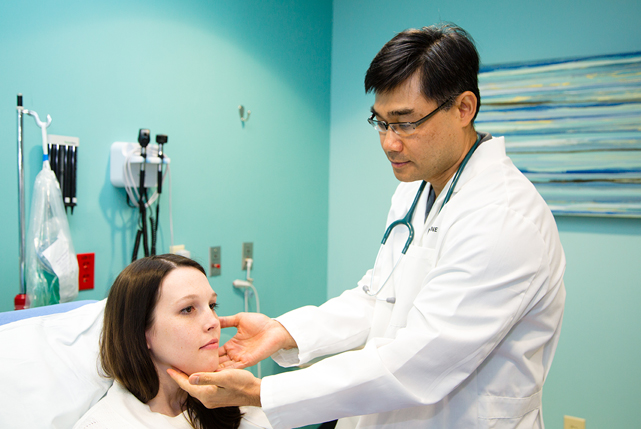
Differentiating Sprains, Strains and Breaks: Understanding the Injuries and How to Properly Care for Them
Sprains, strains, and breaks are all common types of injuries that can occur in the body, but they are caused by different types of trauma and have different symptoms & treatment plans. Understanding the differences between these injuries can help individuals make informed decisions about when to seek medical attention and how to properly care for the injury.

A sprain is an injury to a ligament, which is the tissue that connects bones to each other. Sprains typically occur when a joint is stretched or twisted in an abnormal way, such as when a person twists an ankle while walking on uneven ground. A sprain is characterized by pain, swelling, stiffness, and difficulty moving the joint. Treatment for a sprain typically includes rest, ice, compression, and elevation (the RICE method) to reduce swelling and pain, as well as physical therapy to strengthen the joint and restore range of motion.
A strain is an injury to a muscle or tendon, which is the tissue that connects muscles to bones. Strains typically occur when a muscle is stretched or torn, such as when a person lifts a heavy object or overworks a muscle during exercise. The symptoms of a strain include pain, cramping, stiffness, and difficulty moving the affected muscle. Treatment for a strain typically includes rest, ice, and physical therapy to reduce pain and inflammation and to restore strength and flexibility.
A break, or fracture, is an injury to a bone. Breaks can occur as a result of a direct impact, such as a fall or car accident, or as a result of overuse or repetitive stress, such as in the case of a stress fracture. Symptoms of a break include severe pain, swelling, and bruising in the affected area, as well as difficulty moving the affected limb. Treatment for a break typically includes immobilization of the affected limb, such as with a cast or brace, to allow the bone to heal, as well as physical therapy to regain strength and mobility once the bone has healed.
It’s important to note that sprains and strains can be difficult to distinguish, as they can share similar symptoms such as pain, swelling, and stiffness. However, sprains typically occur in joints and result from an abnormal twisting or stretching of the ligaments, while strains occur in muscles and result from overuse or excessive stretching. Breaks can be more easily distinguished as they result in severe pain, swelling and difficulty moving the limb.
It’s important to seek medical attention if you suspect you have a sprain, strain, or break. A doctor or emergency medical professional will be able to properly diagnose your injury and provide you with the appropriate treatment plan. In some cases, imaging such as X-rays or MRI’s may be necessary to confirm the diagnosis.
It’s also important to follow proper aftercare for the injury, including rest, ice, compression and elevation if necessary, and physical therapy. Returning to normal activities too soon can delay healing and increase the risk of re-injury. Understanding the differences between these injuries can help individuals make informed decisions about when to seek medical attention and how to properly care for the injury. It’s important to seek medical attention if you suspect you have a sprain, strain, or break and follow proper aftercare to ensure a full recovery.
At Victoria ER, we offer comprehensive care for a variety of injuries, including strains, sprains, breaks, and other physical injuries. We have state-of-the art imaging capabilities, including X-rays, CT Scans, and Ultrasounds. Our trained medical professionals are dedicated to providing high-quality care to our patients. We also offer specialized pediatric care, ensuring that even our youngest patients receive the best possible care in a safe and welcoming environment.


Victoria ER is honored to begin conducting PCR COVID-19 Testing at our on-site laboratory. PCR testing is the most specific and most sensitive testing method for detecting Coronavirus, and with the addition of this technology at our facility, we can provide our patients with same day result accuracy. This CDC preferred testing method is available 24 hours at Victoria ER for all individuals whether its for travel, medical procedures, work, or school.
We have been providing our community with PCR COVID-19 testing throughout the pandemic, but we no longer depend on off-site laboratories to receive patient specimens and deliver your test results. At the peak of the pandemic, patient PCR Test results took up to 10 days to receive in an off-site lab. Victoria ER’s ability to manage 24-hour, on-site PCR Testing allows our staff control to give you results within the same day of your PCR COVID-19 Test.
Victoria ER 24 Hour Emergency Center can help you combat the virus within a few hours with antibody IV therapy drug (bamlanivimab and etesevimab), to treat mild-to-moderate COVID-19 in patients ages 12 and up. Bamlanivimab and etesevimab, administered together, has been granted Emergency Use Authorization from the